 English
  Arabic

Top 5 HRMS in Dubai, UAE, Middle East
Aligning workforce strategies with business goals is key to growth, especially in
dynamic regions like Dubai and the Middle East
Aligning workforce strategies with business goals is key to growth, especially in
dynamic regions like Dubai and the Middle East
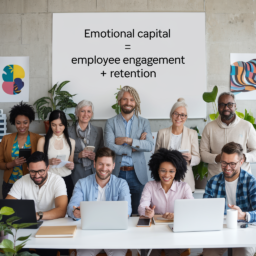
Emotional capital is key to fostering a motivated and loyal workforce, directly influencing engagement and retention.

In today’s competitive business landscape, organizations are constantly seeking innovative ways to enhance customer loyalty and drive long-term success. Co-creation has emerged as a powerful strategy that brings customers into the heart of the value creation process, fostering deeper engagement and stronger brand connections. By involving customers in shaping products, services, and experiences, companies can tap into a wealth of insights and create solutions that truly resonate with their target audience. The impact of co-creation extends beyond traditional customer-facing roles, finding significant applications in human capital management. This approach has the potential to transform how businesses attract, retain, and develop talent. By applying co-creation principles to HR practices, organizations can boost employee satisfaction, improve customer experiences, and ultimately drive customer retention. This article explores the power of co-creation in HR, examining its role in talent retention, its application across various HR functions, and how technology enables its implementation for enhanced customer-centric solutions. Leveraging Co-Creation for Talent Retention Co-creation as a retention strategy In today’s competitive job market, organizations are turning to co-creation as a powerful strategy to boost employee loyalty and retention. This approach involves actively involving employees in shaping the company’s future, fostering a sense of ownership and commitment. By embracing co-creation, businesses can tap into the collective wisdom of their workforce, leading to innovative solutions and a more engaged team. Research shows that workers who feel confident about their growth path are 3.3 times more likely to stay with their current employer for the next 12 months. This highlights the importance of creating opportunities for employees to contribute to decision-making processes and shape their own career trajectories within the organization. Empowering employees through shared decision-making Shared Decision Making (SDM) is a key component of co-creation that transcends traditional top-down decision-making models. This approach brings together people from all levels of an organization to contribute their insights, perspectives, and expertise to key decisions. By valuing everyone’s input, SDM helps foster an inclusive, engaged, and innovative business culture. To implement SDM effectively, organizations should: Building loyalty through collaborative initiatives Co-creation initiatives can significantly impact employee loyalty and engagement. By involving employees in shaping products, services, and experiences, companies can create a sense of belonging and purpose among their workforce. This collaborative approach has the potential to transform how businesses attract, retain, and develop talent. One effective way to implement co-creation is through intrapreneurship platforms. For example, Sodexo has created a digital space where employees can ideate, crowdsource, and share their ideas. This empowers employees with visibility and a structured framework, putting their ideas at the center of the business. By leveraging co-creation strategies, organizations can foster a culture of innovation, improve employee satisfaction, and ultimately drive customer retention through enhanced customer experiences. Co-Creation Across HR Functions Co-creation has the potential to transform various HR functions, fostering a more collaborative and engaging work environment. By involving employees in shaping HR practices, organizations can tap into valuable insights and create solutions that resonate with their workforce. Recruitment and onboarding Co-creation can significantly enhance the recruitment and onboarding process. By involving current employees in designing these experiences, companies can create a more welcoming and supportive environment for new hires. For example, some organizations have implemented referral-based recruiting, which can be a cost-effective and efficient way to find qualified candidates. Referred candidates often have a better understanding of the company culture and values, resulting in a better fit and higher job satisfaction. During onboarding, companies can use co-creation to tailor the process to individual needs. This might include providing necessary equipment for remote workers, setting up licenses, and creating a clear step-by-step guide using project management tools. A well-designed onboarding process can reduce anxiety for new hires and help them feel more confident and supported in their new position. Performance management and development Co-creation can revolutionize performance management by involving employees in designing the process. For instance, IBM implemented a co-created performance management system called Checkpoint. They involved about 100,000 employees in an extended hackathon-style process to design the new system. This approach resulted in a program that employees felt proud of and engaged with, leading to improved feedback and overall engagement. Compensation and benefits design Co-creating compensation and benefits packages can help ensure that employees receive what they truly value. This process involves conducting needs assessments, analyzing workforce demographics, and directly engaging with employees to understand their preferences. By involving employees in this process, companies can design packages that address specific needs such as work-life balance, career advancement opportunities, and skill development. For example, offering language training courses as part of a compensation and benefits package could be a great career motivator for staff, especially as language skills become increasingly important in the global workplace. This approach to benefits design not only attracts talent but also helps to retain and engage employees over the long term. Technology-Enabled Co-Creation in HR AI and machine learning in idea generation Artificial intelligence (AI) and machine learning (ML) are revolutionizing HR practices, transforming how organizations hire, manage, and develop their workforce. These cutting-edge technologies enhance efficiency, improve decision-making, and elevate employee experiences. AI-powered tools can identify patterns and trends in employee data, enabling organizations to make data-driven decisions that benefit the business. In talent acquisition, ML algorithms can swiftly analyze resumes and select the best-fit candidates based on specific criteria, making the process faster and fairer. AI chatbots have gained popularity in HR, serving as virtual assistants that answer questions, guide employees, and provide personalized recommendations, ultimately streamlining processes and enhancing employee satisfaction. Collaborative platforms for remote teams The shift towards remote work has necessitated the adoption of collaborative platforms to keep teams connected and productive. These tools enable seamless communication and collaboration across geographically dispersed teams. Video conferencing, messaging apps, and project management software facilitate teamwork and boost output. Features such as file sharing, virtual whiteboards, and real-time document editing create an interactive space for brainstorming and co-creation. According to a survey, 90% of employees find digital tools extremely useful for remote team collaboration, and
Learn how Optimizing HR Processes with Dynamic Request Management streamlines workflows, improves efficiency, and enhances the overall HR service experience.

Key Trends Shaping the World of Work The world of work is changing rapidly, and HR professionals are facing new challenges and opportunities as a result. To understand the future of HR, we must look at global reports and statistics to gain insights into the trends and changes that are shaping the field. One of the most significant trends in HR is the rise of remote work. According to a report by the World Economic Forum, remote work is here to stay, with over 80% of employers planning to allow employees to work remotely at least part of the time. This shift is leading to new challenges for HR, such as managing remote teams, ensuring employee engagement and productivity, and providing remote training and development opportunities. Another key trend in HR is the increasing use of AI and automation. According to a report by McKinney & Company, up to 45% of activities that people are paid to perform can be automated using existing technology. This includes tasks such as data entry, scheduling, and simple decision-making. While this shift is expected to create new opportunities for HR professionals, such as the ability to focus on more strategic tasks, it also raises concerns about job displacement and the need for reskilling and upskilling. Diversity, equity, and inclusion (DEI) are also becoming increasingly important in HR. According to a report by Deloitte, more than 80% of organizations see DEI as a top priority, with many investing in programs and initiatives to promote diversity and create a more inclusive workplace. This includes efforts to increase diversity in hiring, create more inclusive policies and practices, and provide training and education on DEI topics. The role of HR is also evolving to become more strategic and data-driven. According to a report by LinkedIn, 75% of HR professionals say that their role is becoming more strategic, with a greater focus on driving business outcomes and using data to inform decision-making. This shift requires HR professionals to develop new skills, such as data analysis and strategic thinking, and to work more closely with other departments to align HR initiatives with business goals. Finally, employee well-being is becoming a top priority for HR. According to a report by the Society for Human Resource Management, more than half of employers have implemented or expanded employee well-being programs in response to the COVID-19 pandemic. This includes initiatives such as mental health support, flexible work arrangements, and wellness programs to help employees stay healthy and engaged. Preparing for the Future of HR In conclusion, the future of HR is full of both opportunities and challenges. HR professionals must stay up-to-date with global reports and statistics to gain insights into the trends and changes that are shaping the field. This includes understanding the impact of remote work, AI and automation, DEI initiatives, data-driven decision-making, and employee well-being. By embracing these trends and developing new skills and strategies, HR professionals can help their organizations thrive in the rapidly changing world of work. For more such insights to the world of Human Resources and Management, subscribe
A quick look at how digital transformation drives the need for smarter payroll tools and why SmartHCM’s payroll module is a top choice for modern businesses.
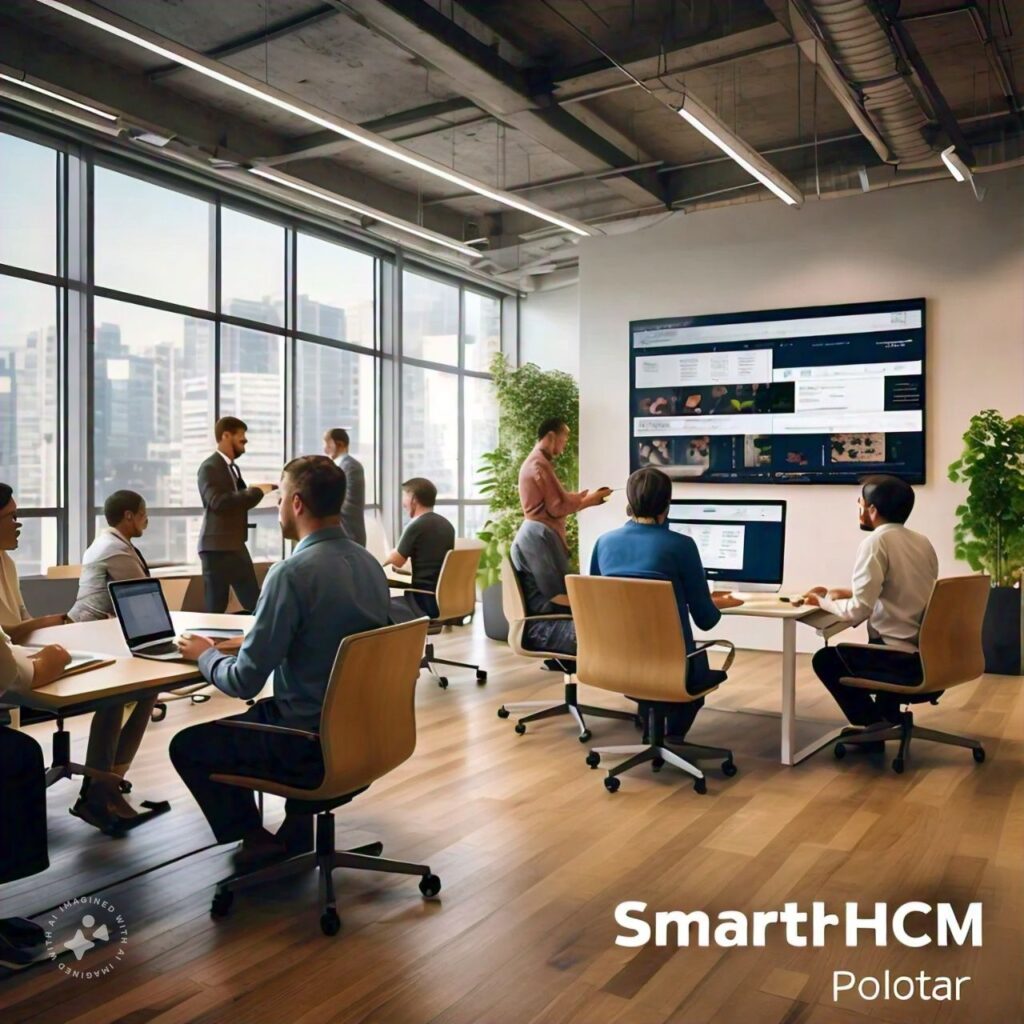
In today’s rapidly evolving business landscape, organizations are constantly searching for innovative ways to improve operational efficiency and enhance employee experiences. The emergence of advanced Human Capital Management (HCM) systems has played a vital role in achieving these objectives. Among them, the SmartHCM ESS (Employee Self-Service) portal has gained significant recognition for its ability to streamline HR processes and empower employees. This detailed article explores the benefits and features of the SmartHCM ESS portal, highlighting how it can enhance efficiency and elevate the overall employee experience. Empowering Employees with Self-Service Capabilities The SmartHCM ESS portal empowers employees by providing them with direct access to their personal information, benefits, and HR-related tasks. Through an intuitive and user-friendly interface, employees can independently update their personal details, access their pay slips, submit leave requests, and track their attendance. By eliminating the need for manual intervention or paperwork, the portal saves time and resources, resulting in increased efficiency for both employees and HR personnel. Streamlining HR Processes and Workflows The SmartHCM ESS portal revolutionizes HR processes by automating routine tasks and streamlining workflows. It enables employees to initiate and manage HR-related processes such as leave applications, expense claims, and performance evaluations. With self-service features, employees can submit requests, track the status of their applications, and receive automated notifications. By reducing the reliance on manual data entry and administrative tasks, HR professionals can allocate their time and energy to strategic initiatives, ultimately enhancing operational efficiency. Enhancing Communication and Collaboration Effective communication and collaboration are vital components of a productive work environment. The SmartHCM ESS portal serves as a centralized platform for HR-related communication, enabling employees to engage with HR representatives, seek assistance, and receive updates on company policies and announcements. Additionally, the portal facilitates collaboration by providing access to employee directories, allowing individuals to view colleague profiles, fostering cross-functional collaboration, and promoting a sense of transparency within the organization. Elevating Employee Engagement and Satisfaction The SmartHCM ESS portal plays a significant role in boosting employee engagement and satisfaction. By granting employees control over their HR-related tasks and data, the portal enhances autonomy and promotes a sense of ownership. Employees can easily access information relevant to their employment, such as benefits, performance reviews, and training opportunities. This level of transparency and accessibility empowers employees, leading to increased job satisfaction, improved morale, and a higher level of engagement with the organization. Leveraging Analytics and Insights One of the key advantages of the SmartHCM ESS portal is its ability to provide valuable analytics and insights into employee data. By analyzing the data captured within the portal, HR professionals can identify trends, spot patterns, and gain actionable insights. This data-driven approach enables organizations to make informed decisions regarding workforce planning, performance management, and talent development. By leveraging these insights, organizations can optimize HR strategies, improve processes, and drive overall business success. The SmartHCM ESS portal is a game-changer in the realm of HR management. By empowering employees with self-service capabilities, streamlining HR processes, enhancing communication and collaboration, boosting engagement and satisfaction, and leveraging data analytics, organizations can achieve improved efficiency and elevate the overall employee experience. The SmartHCM ESS portal not only saves time and resources but also contributes to a more engaged and productive workforce. Embracing this innovative technology can help organizations stay ahead in today’s competitive business landscape and create a work environment that fosters growth, satisfaction, and success.



