 English
  Arabic

Revolutionizing Employee Engagement with Cloud-Based HR and Payroll Software in the UAE
Employee engagement is crucial for organizational success and goes
beyond perks to require strategic management and modern tools.

Employee engagement is crucial for organizational success and goes
beyond perks to require strategic management and modern tools.
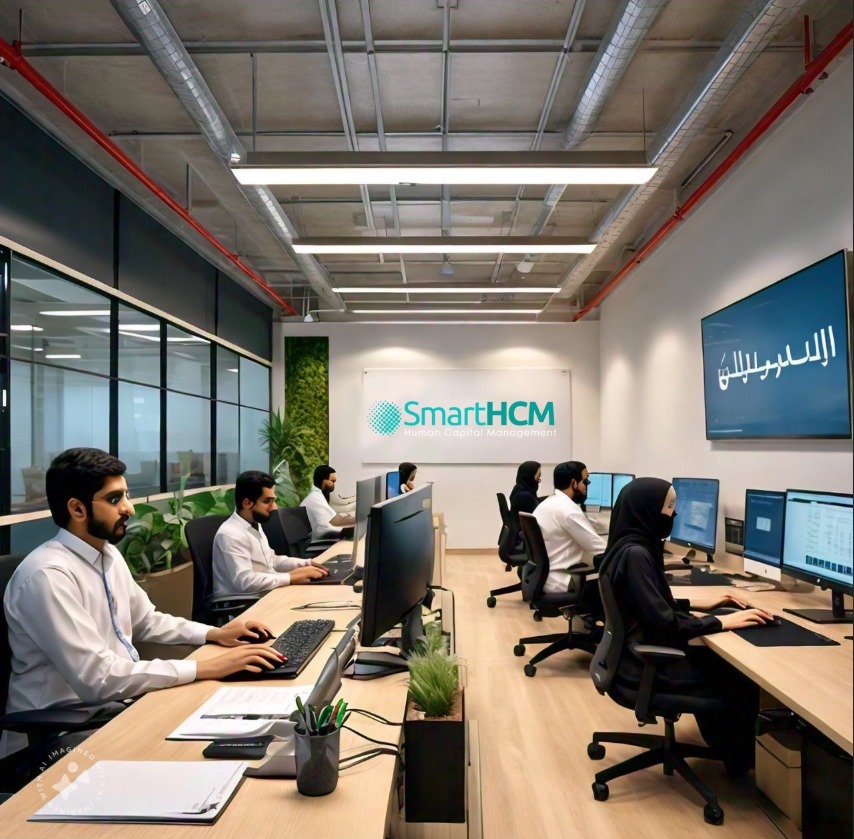
Discover why investing in HR software is essential for businesses to streamline operations, boost efficiency, and drive sustainable growth.
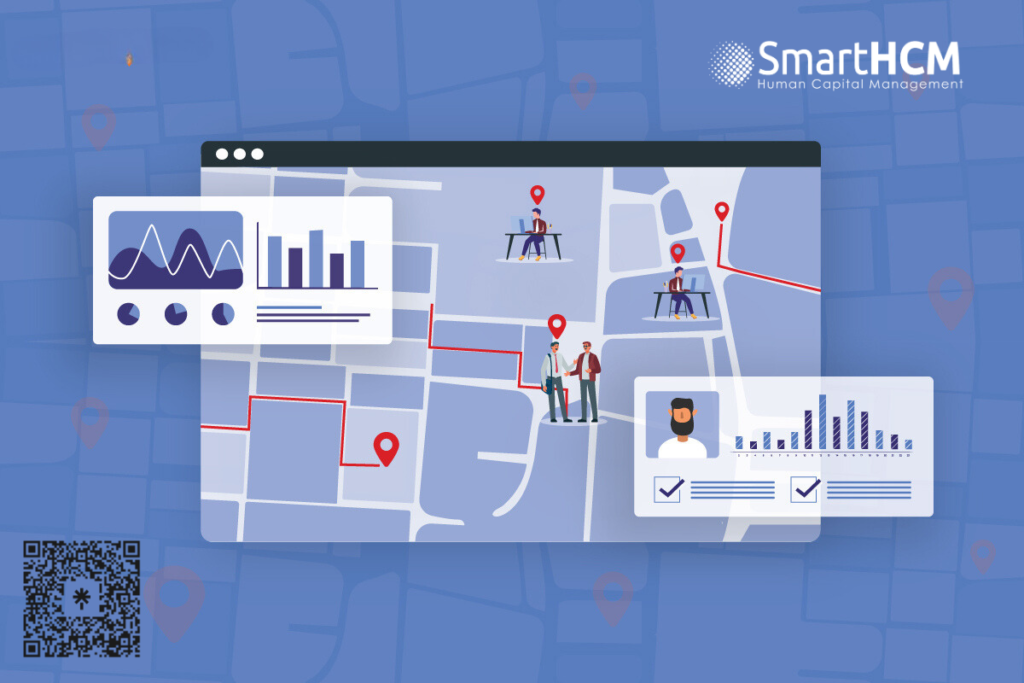
Learn how SmartHCM’s offline attendance and employee tracking solutions help businesses boost productivity and streamline workforce management.

In today’s competitive business landscape, organizations are constantly seeking innovative ways to enhance customer loyalty and drive long-term success. Co-creation has emerged as a powerful strategy that brings customers into the heart of the value creation process, fostering deeper engagement and stronger brand connections. By involving customers in shaping products, services, and experiences, companies can tap into a wealth of insights and create solutions that truly resonate with their target audience. The impact of co-creation extends beyond traditional customer-facing roles, finding significant applications in human capital management. This approach has the potential to transform how businesses attract, retain, and develop talent. By applying co-creation principles to HR practices, organizations can boost employee satisfaction, improve customer experiences, and ultimately drive customer retention. This article explores the power of co-creation in HR, examining its role in talent retention, its application across various HR functions, and how technology enables its implementation for enhanced customer-centric solutions. Leveraging Co-Creation for Talent Retention Co-creation as a retention strategy In today’s competitive job market, organizations are turning to co-creation as a powerful strategy to boost employee loyalty and retention. This approach involves actively involving employees in shaping the company’s future, fostering a sense of ownership and commitment. By embracing co-creation, businesses can tap into the collective wisdom of their workforce, leading to innovative solutions and a more engaged team. Research shows that workers who feel confident about their growth path are 3.3 times more likely to stay with their current employer for the next 12 months. This highlights the importance of creating opportunities for employees to contribute to decision-making processes and shape their own career trajectories within the organization. Empowering employees through shared decision-making Shared Decision Making (SDM) is a key component of co-creation that transcends traditional top-down decision-making models. This approach brings together people from all levels of an organization to contribute their insights, perspectives, and expertise to key decisions. By valuing everyone’s input, SDM helps foster an inclusive, engaged, and innovative business culture. To implement SDM effectively, organizations should: Building loyalty through collaborative initiatives Co-creation initiatives can significantly impact employee loyalty and engagement. By involving employees in shaping products, services, and experiences, companies can create a sense of belonging and purpose among their workforce. This collaborative approach has the potential to transform how businesses attract, retain, and develop talent. One effective way to implement co-creation is through intrapreneurship platforms. For example, Sodexo has created a digital space where employees can ideate, crowdsource, and share their ideas. This empowers employees with visibility and a structured framework, putting their ideas at the center of the business. By leveraging co-creation strategies, organizations can foster a culture of innovation, improve employee satisfaction, and ultimately drive customer retention through enhanced customer experiences. Co-Creation Across HR Functions Co-creation has the potential to transform various HR functions, fostering a more collaborative and engaging work environment. By involving employees in shaping HR practices, organizations can tap into valuable insights and create solutions that resonate with their workforce. Recruitment and onboarding Co-creation can significantly enhance the recruitment and onboarding process. By involving current employees in designing these experiences, companies can create a more welcoming and supportive environment for new hires. For example, some organizations have implemented referral-based recruiting, which can be a cost-effective and efficient way to find qualified candidates. Referred candidates often have a better understanding of the company culture and values, resulting in a better fit and higher job satisfaction. During onboarding, companies can use co-creation to tailor the process to individual needs. This might include providing necessary equipment for remote workers, setting up licenses, and creating a clear step-by-step guide using project management tools. A well-designed onboarding process can reduce anxiety for new hires and help them feel more confident and supported in their new position. Performance management and development Co-creation can revolutionize performance management by involving employees in designing the process. For instance, IBM implemented a co-created performance management system called Checkpoint. They involved about 100,000 employees in an extended hackathon-style process to design the new system. This approach resulted in a program that employees felt proud of and engaged with, leading to improved feedback and overall engagement. Compensation and benefits design Co-creating compensation and benefits packages can help ensure that employees receive what they truly value. This process involves conducting needs assessments, analyzing workforce demographics, and directly engaging with employees to understand their preferences. By involving employees in this process, companies can design packages that address specific needs such as work-life balance, career advancement opportunities, and skill development. For example, offering language training courses as part of a compensation and benefits package could be a great career motivator for staff, especially as language skills become increasingly important in the global workplace. This approach to benefits design not only attracts talent but also helps to retain and engage employees over the long term. Technology-Enabled Co-Creation in HR AI and machine learning in idea generation Artificial intelligence (AI) and machine learning (ML) are revolutionizing HR practices, transforming how organizations hire, manage, and develop their workforce. These cutting-edge technologies enhance efficiency, improve decision-making, and elevate employee experiences. AI-powered tools can identify patterns and trends in employee data, enabling organizations to make data-driven decisions that benefit the business. In talent acquisition, ML algorithms can swiftly analyze resumes and select the best-fit candidates based on specific criteria, making the process faster and fairer. AI chatbots have gained popularity in HR, serving as virtual assistants that answer questions, guide employees, and provide personalized recommendations, ultimately streamlining processes and enhancing employee satisfaction. Collaborative platforms for remote teams The shift towards remote work has necessitated the adoption of collaborative platforms to keep teams connected and productive. These tools enable seamless communication and collaboration across geographically dispersed teams. Video conferencing, messaging apps, and project management software facilitate teamwork and boost output. Features such as file sharing, virtual whiteboards, and real-time document editing create an interactive space for brainstorming and co-creation. According to a survey, 90% of employees find digital tools extremely useful for remote team collaboration, and

SmartHCM revolutionizes traditional workforce management by offering real-time dashboard analytics streamlining HR operations
Learn how Optimizing HR Processes with Dynamic Request Management streamlines workflows, improves efficiency, and enhances the overall HR service experience.
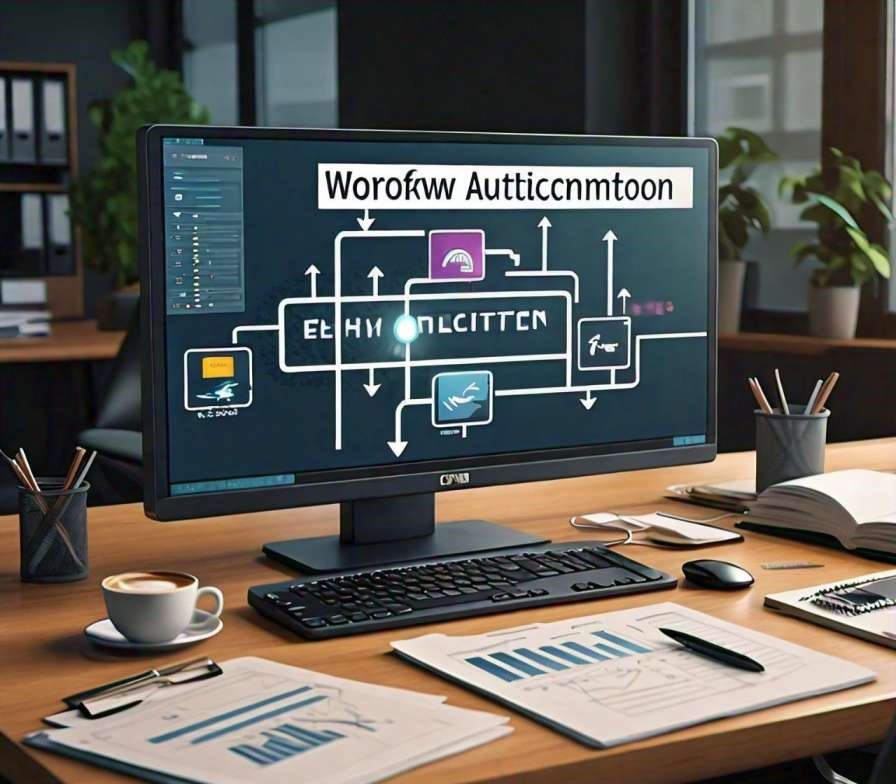
The global landscape is rapidly evolving, with customers demanding efficient services and flawless results. Whether you’re a budding startup or a multinational corporation like Google or Amazon, meeting these high expectations is crucial. That’s where Workflow Automation comes in, becoming essential for companies to satisfy customer demands. If these questions resonate with you, it’s time for your company to embrace a paperless Automated Workflow solution. By doing so, you’ll future-proof your business and foster a more cohesive work environment, meeting the expectations of your customers. 1. Need to Audit? Don’t worry! Take a moment and check how you audit files in your office. In every office scenario, a file undergoes various revisions. They are usually keeping track of physical copies, which is pretty tedious, or by scanning them. Yet your current system could be the problem. By SmartHCM, you can digitize your files, use digital signatures and keep track of the changes – all with the click of a button. 2. Automate Workflow, Relax, Repeat Have you come across videos of manufacturing plants where robots assemble a computer or pack a biscuit packet? You might probably have and also know that automation is in more places than you might know. Similarly, a series of bots in the automation software can be used to route a file to the assigned person or team automatically. Enter your data smartly, approve requests that don’t require human intervention, and so on. Workflow automation saves hours and hours of time spent waiting for approval or for a person to manually forward the task to the next level. 3. Keep an Eye on What’s Happening with Analytics Reports A business can witness growth only when you know what’s going on. Automated Workflow Management make it easier to keep track of files, everyday tasks, and what employees are actually doing. The paperless setup ushered in by workflow software makes it easier to oversee analytics, see which process got completed or delayed, and find how long it takes for a task to be completed. 4. No More Lost Data, There’s Always a Backup on Cloud! One of the most important reasons that your business should upgrade to Workflow Automation is to have a backup of your most important data. While companies from the 90s are migrating to paperless, digitized workflow, newer organizations should adopt the technology immediately. Everything that you do will be readily accessible on SmartHCM Cloud. That important file that you created if deleted can be recovered from the servers and it creates a sturdy base for your organization, making it ready for the future. 5. Your Document is Safe No Matter What Encryption, SSL, encrypted, or whatever the technical experts call it, all that you need to know is your document is safe, no matter what. Hackers won’t gain access, the cloud service is fully encrypted, and safe both virtually and physically. When you implement workflow automation software, the confidential data is saved on multiple servers and backed up periodically to ensure maximum reliability. SmartHCM is an exceptional HR automation software that streamlines business processes effortlessly. Its user-friendly interface empowers anyone, regardless of coding knowledge, to create workflows and share them with employees. Embrace the power of SmartHCM and transform your business operations with its state-of-the-art HR modules. Leave your business needs to SmartHCM and experience the ease of use and efficiency it brings to your organization.

Key Trends Shaping the World of Work The world of work is changing rapidly, and HR professionals are facing new challenges and opportunities as a result. To understand the future of HR, we must look at global reports and statistics to gain insights into the trends and changes that are shaping the field. One of the most significant trends in HR is the rise of remote work. According to a report by the World Economic Forum, remote work is here to stay, with over 80% of employers planning to allow employees to work remotely at least part of the time. This shift is leading to new challenges for HR, such as managing remote teams, ensuring employee engagement and productivity, and providing remote training and development opportunities. Another key trend in HR is the increasing use of AI and automation. According to a report by McKinney & Company, up to 45% of activities that people are paid to perform can be automated using existing technology. This includes tasks such as data entry, scheduling, and simple decision-making. While this shift is expected to create new opportunities for HR professionals, such as the ability to focus on more strategic tasks, it also raises concerns about job displacement and the need for reskilling and upskilling. Diversity, equity, and inclusion (DEI) are also becoming increasingly important in HR. According to a report by Deloitte, more than 80% of organizations see DEI as a top priority, with many investing in programs and initiatives to promote diversity and create a more inclusive workplace. This includes efforts to increase diversity in hiring, create more inclusive policies and practices, and provide training and education on DEI topics. The role of HR is also evolving to become more strategic and data-driven. According to a report by LinkedIn, 75% of HR professionals say that their role is becoming more strategic, with a greater focus on driving business outcomes and using data to inform decision-making. This shift requires HR professionals to develop new skills, such as data analysis and strategic thinking, and to work more closely with other departments to align HR initiatives with business goals. Finally, employee well-being is becoming a top priority for HR. According to a report by the Society for Human Resource Management, more than half of employers have implemented or expanded employee well-being programs in response to the COVID-19 pandemic. This includes initiatives such as mental health support, flexible work arrangements, and wellness programs to help employees stay healthy and engaged. Preparing for the Future of HR In conclusion, the future of HR is full of both opportunities and challenges. HR professionals must stay up-to-date with global reports and statistics to gain insights into the trends and changes that are shaping the field. This includes understanding the impact of remote work, AI and automation, DEI initiatives, data-driven decision-making, and employee well-being. By embracing these trends and developing new skills and strategies, HR professionals can help their organizations thrive in the rapidly changing world of work. For more such insights to the world of Human Resources and Management, subscribe
Artificial intelligence (AI) and machine learning (ML) are rapidly becoming integral components of modern human capital management (HCM) systems. These technologies are capable of automating repetitive tasks, analyzing large amounts of data, and providing insights that can help organizations make more informed decisions about their workforce. In this article, we will explore the role of AI and ML in HCM and how they are transforming the way organizations manage their workforce. One of the key benefits of AI and ML in HCM is the ability to automate repetitive tasks. For example, AI can be used to automatically process resumes, identify candidates with the right qualifications, and schedule interviews. This can save HR professionals a significant amount of time and allow them to focus on more strategic tasks. Additionally, AI can be used to automate other HR-related tasks such as onboarding, performance evaluations, and even exit interviews. This can help organizations to be more efficient and cost-effective while also providing a better experience for employees. Another benefit of AI and ML in HCM is the ability to analyze large amounts of data. This can be used to identify patterns and trends that can help organizations make more informed decisions about their workforce. For example, data analytics can be used to identify which employees are most likely to leave the organization and take steps to retain them. Additionally, data analytics can be used to identify which employees are most likely to be high-performers and provide them with the resources they need to succeed. Overall, data analytics can help organizations to optimize their workforce and improve business performance. AI and ML can also be used to provide insights that can help organizations make more informed decisions about their workforce. For example, natural language processing (NLP) can be used to analyze employee feedback and identify areas where the organization can improve. Additionally, AI-powered chatbots can be used to provide employees with self-service capabilities, such as answering questions about benefits or providing information about their pay. This can help organizations to be more responsive to employee needs and improve employee engagement. AI and ML are also starting to play a role in improving the employee experience. For example, AI-powered virtual assistants can help employees to find information and complete tasks more quickly and easily. Additionally, AI can be used to personalize the employee experience by providing employees with tailored recommendations and resources based on their unique needs and preferences. This can help organizations to create a more engaging and satisfying work environment for their employees. Overall, AI and ML are transforming the way organizations manage their workforce. By automating repetitive tasks, analyzing large amounts of data, and providing insights, these technologies can help organizations to be more efficient and effective in managing their workforce. Additionally, AI and ML can help organizations to improve the employee experience by providing employees with self-service capabilities and personalized resources. As these technologies continue to evolve, they will play an increasingly important role in human capital management and organizations that adopt them will be well-positioned to succeed in the future. However, it’s important to note that while AI and ML can bring a lot of benefits to HCM, it’s also important to consider the ethical implications of using these technologies. This includes ensuring that data is collected and used in a way that is fair and respects the privacy of employees. Additionally, it’s important to keep in mind that AI and ML are not a replacement for human decision making, and it’s important to have a balance between the two. In conclusion, AI and ML are rapidly becoming important components of modern human capital management systems. These technologies can help organizations to automate repetitive tasks, analyze large amounts of data, and provide insights that can help organizations make more informed decisions about their workforce. Additionally, AI and ML can help organizations to improve the employee experience and create a healthy relation with them. Quotes “AI in HCM is not just about replacing people with machines, it’s about augmenting human decision-making and improving the employee experience”



