 English
  Arabic

Ramadan brings operational adjustments that require thoughtful workforce planning. Working hours are often reduced, schedules shift, and employee routines change significantly. While the holy month is spiritually meaningful, it also demands structured coordination to maintain productivity and payroll accuracy.
For HR teams, managing Ramadan shifts can quickly become complex. Attendance policies need temporary modification, overtime calculations must remain compliant, and payroll must reflect adjusted working hours without errors. When handled manually, even small scheduling changes can create administrative strain.
In 2026, organizations are turning to automated and integrated HR systems to manage these transitions smoothly. With the right structure in place, flexible scheduling does not have to create payroll confusion.
Contents
- 1 Understanding the Operational Impact of Ramadan
- 2 Designing Flexible Scheduling Without Payroll Disruption
- 3 Aligning Attendance Policies with Reduced Hours
- 4 Using AI to Reduce Administrative Workload
- 5 Maintaining Productivity During Shift Adjustments
- 6 Ensuring Compliance and Financial Accuracy
- 7 Why Integrated HR Platforms Matter in 2026
- 8 Final Takeaways
- 9 References
Understanding the Operational Impact of Ramadan

Ramadan shifts affect multiple workforce dimensions simultaneously. Reduced working hours influence attendance tracking, salary calculations, and performance measurement. Employees may start earlier, leave earlier, or operate on staggered schedules.
Without a centralized system, HR teams often rely on spreadsheets or manual overrides to adjust payroll. This increases the risk of miscalculations, delayed processing, and compliance gaps.
Structured automation ensures that temporary policy changes are applied consistently across attendance and payroll modules, reducing errors and ensuring transparency.
Designing Flexible Scheduling Without Payroll Disruption
Flexible scheduling during Ramadan should be proactive, not reactive. Instead of recalculating wages after attendance is recorded, organizations should configure adjusted working hours directly within their HR system.
Digital platforms allow HR teams to temporarily redefine shift timings, extend grace periods, and align overtime thresholds with reduced hours. When attendance and payroll are integrated, salary calculations automatically reflect these changes. To understand the foundation of this process, read our guide on why hourly attendance tracking is essential for accurate payroll and compliance.
This eliminates the common payroll headache associated with Ramadan shifts. Employees are compensated accurately, and HR avoids time-consuming reconciliations.
Flexibility becomes a structured adjustment rather than an operational risk.
Aligning Attendance Policies with Reduced Hours
Attendance management is one of the most sensitive areas during the holy month. Employees observing fasting may experience changes in sleep patterns, particularly with pre-dawn meals affecting morning routines.
Automated attendance systems allow organizations to configure temporary late-in allowances or adjusted start times without compromising payroll accuracy. Instead of reviewing each exception manually, HR teams can rely on predefined rules embedded within the system.
This approach ensures fairness across departments while maintaining compliance and operational clarity.
Using AI to Reduce Administrative Workload
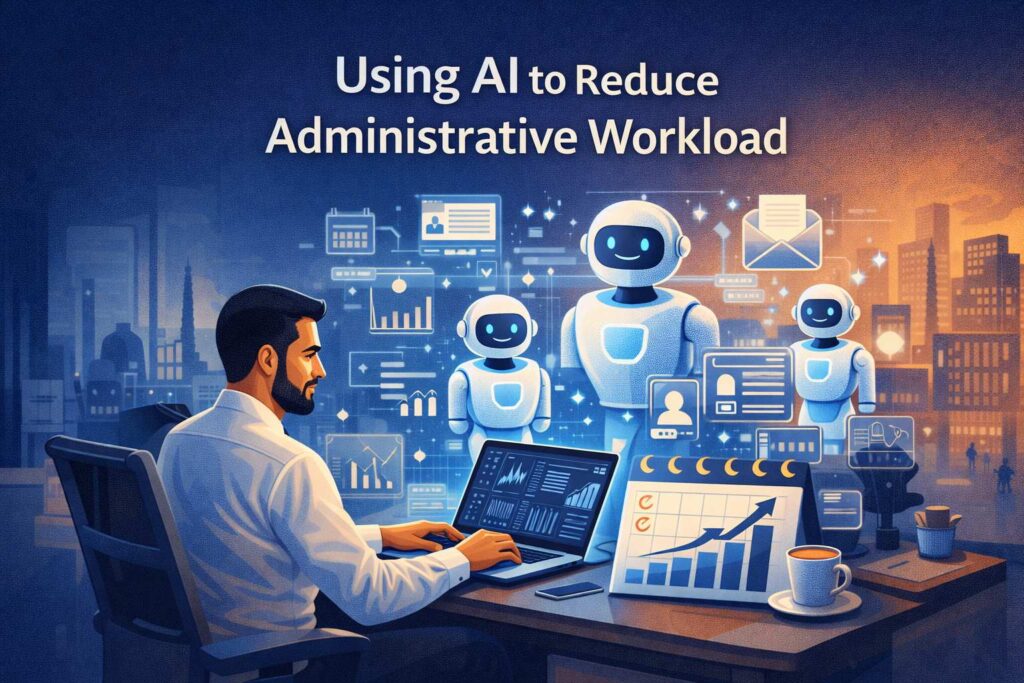
Shorter office hours mean HR departments have less time to handle a potentially higher volume of requests. Leave approvals, schedule swaps, attendance clarifications, and payroll validations can increase during Ramadan.
AI-driven HR systems reduce this burden by automating repetitive processes. Attendance anomalies can be flagged instantly, payroll inconsistencies detected before processing, and automated reports generated for compliance tracking.
Rather than spending limited working hours resolving routine issues, HR professionals can focus on employee engagement and strategic planning.
Automation transforms operational pressure into manageable workflows.
Maintaining Productivity During Shift Adjustments
Reduced work hours do not necessarily mean reduced productivity. However, performance evaluation must align with adjusted schedules.
Modern performance management systems allow organizations to temporarily modify KPIs to reflect shorter working hours. Instead of measuring presence alone, managers can evaluate outcomes and deliverables.
This ensures fairness while sustaining accountability. Employees remain motivated because expectations are transparent and aligned with operational realities.
Ensuring Compliance and Financial Accuracy
Payroll compliance remains critical during Ramadan. Overtime calculations, statutory deductions, and leave accrual must still meet regulatory standards, even if work schedules change.
Integrated HR systems synchronize attendance data with payroll calculations in real time. This ensures that salary disbursements remain accurate, compliant, and timely.
When scheduling and payroll operate within separate tools, the risk of discrepancies increases significantly. Centralized systems minimize these risks and provide audit-ready documentation.
Why Integrated HR Platforms Matter in 2026
Managing Ramadan shifts involves more than adjusting office hours. It requires coordination across attendance tracking, payroll processing, performance management, and employee communication.
An integrated HR platform allows organizations to configure temporary policies once and apply them consistently across modules. Once the holy month concludes, settings can be reverted smoothly without disrupting operations.
SmartHCM supports these requirements through automated shift configuration, attendance and payroll synchronization, AI-powered validation, mobile notifications, and structured performance tracking. Instead of reacting to daily scheduling challenges, HR teams can manage Ramadan with clarity, flexibility, and operational confidence.
Final Takeaways
Ramadan introduces temporary but meaningful changes to workforce dynamics. Managing these adjustments manually increases the likelihood of payroll errors, compliance risks, and administrative overload.
By implementing flexible scheduling within an integrated HR system, organizations can maintain payroll accuracy while supporting employee well-being. Automation ensures that attendance rules, shift timings, and salary calculations remain aligned throughout this month.
With structured planning and intelligent systems, Ramadan shifts become manageable adjustments rather than operational disruptions.
References
Harvard Business Review – Performance and Workforce Management
Society for Human Resource Management (SHRM) – Flexible Workplace Policies
Gartner Workforce Technology ResearchWorld Economic Forum – Future of Work Insights



